How to Buy a Used Car from Korea: A Step-by-Step Export Guide (2026)
From choosing the car to receiving it at your port: inspection reports, insurance history, payment, export documents and RoRo vs container shipping — explained simply.
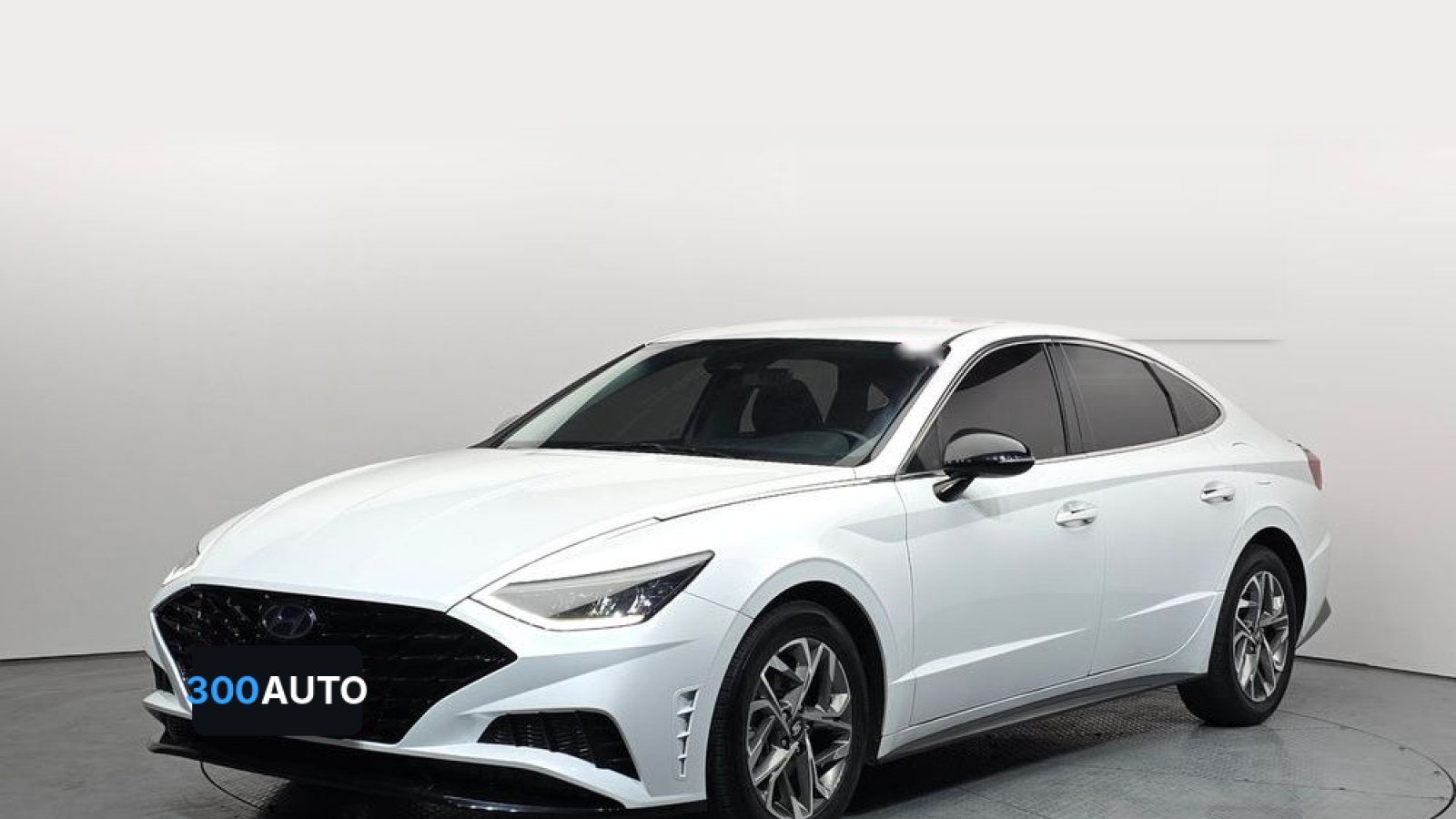
Korea is one of the easiest places in the world to buy a well-documented used car. Almost every car sold by a Korean dealer comes with a government-format performance inspection report, and you can usually see its insurance claim history too. This guide walks you through the whole process, from the first message to the day the car reaches your port.
1. Decide what your country allows
Before you fall in love with a car, check your own import rules. The most common limits are:
- Vehicle age – many countries cap the age of imported cars or tax older cars more heavily.
- Steering side – Korean cars are left-hand drive. Right-hand-drive countries usually restrict LHD imports.
- Emission or technical standards – some countries only accept cars built to certain specifications.
- Damage history – flood, fire or salvage cars are banned in many markets.
If you are not sure, ask a local customs broker before you pay a deposit. We will also tell you if we think a car will be a problem for your country.
2. Choose the car — and read its records
Every listing on 300auto.com shows the key records we check:
- Performance inspection report – the standard Korean checklist of the engine, transmission, frame and panels, including which panels were repaired or replaced.
- Insurance history – the number and value of insurance claims, owner changes, and flood or total-loss records.
- Mileage and first registration date.
3. Ask for extra photos or a video
Listing photos are a starting point. Before you commit, ask for close-ups of anything that matters to you: tyres, underbody, engine bay, seats, the dashboard with the engine running. A short walk-around video is the fastest way to remove doubts.
4. Get a full quote (car + shipping)
The price you see on the website is the car price. Your total cost also includes inland transport in Korea, export handling, sea freight to your port, and — on your side — import duties, taxes and registration. Ask for a written quote to your destination port (CFR or CIF) so you can compare offers fairly.
5. Pay safely
Payment is normally made by international bank transfer (T/T). Two simple rules protect you:
- Pay only to the company bank account written on the official invoice.
- If anyone sends you “new bank details” by message or email, call us on WhatsApp to confirm before you send money.
6. Export clearance and documents
Once the car is paid, it is deregistered for export in Korea and cleared through customs. The documents you will typically receive are:
| Document | What it is for |
|---|---|
| Export certificate (deregistration certificate) | Proves the car was legally exported from Korea — used to register it in your country. |
| Commercial invoice | Shows the sale price for customs in your country. |
| Bill of Lading (B/L) | The shipping document. You (or your agent) need it to collect the car at the port. |
| Inspection / extra certificates | Only if your country requires them (for example a pre-shipment inspection). |
7. RoRo or container?
| RoRo (roll-on/roll-off) | Container | |
|---|---|---|
| How it works | The car is driven onto a car-carrier ship. | The car is loaded and secured inside a 20ft or 40ft container. |
| Best for | Single cars to ports with regular RoRo service. | Several cars together, or ports without RoRo service. |
| Things to know | Personal items inside the car are usually not allowed. | Extra cost for loading and lashing; the container must be unloaded at destination. |
Sailing schedules and freight rates change often, so we quote them per shipment.
8. Receive and register the car
When the ship arrives, your clearing agent uses the B/L and export certificate to clear the car through customs, pay duties and taxes, and register it. Keep copies of every document — you may need them again for registration or resale.
Quick checklist
- ✅ My country accepts this car’s age, steering side and specification
- ✅ I read the inspection report and insurance history
- ✅ I have a written quote to my port (car + shipping)
- ✅ I pay only to the bank account on the official invoice
- ✅ I know which documents my clearing agent needs
Looking for a car from Korea?
Tell us the model, budget and destination port. We check the car, send photos and inspection results, and handle export documents and shipping.
Related articles
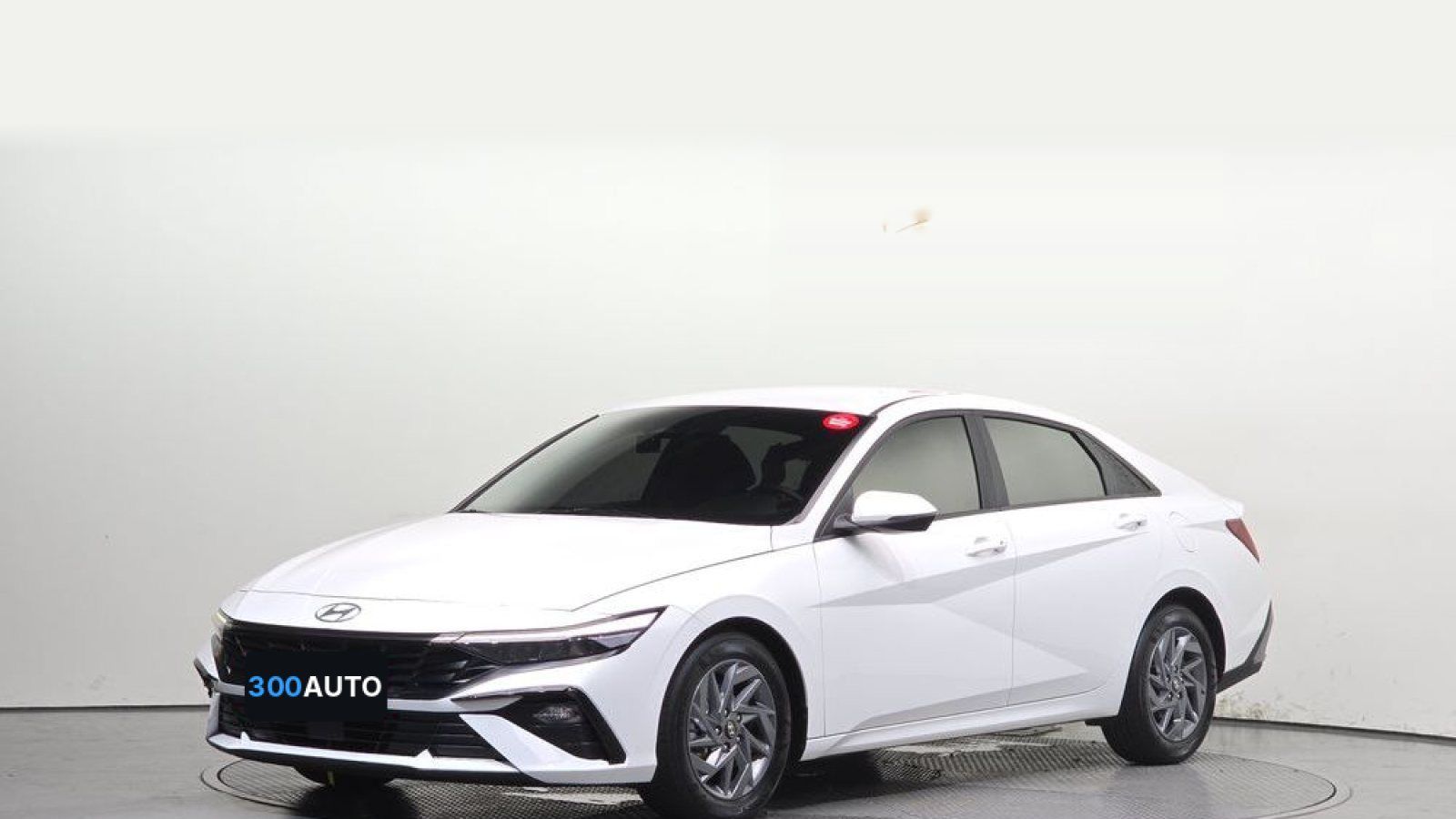
What $11,000–$16,000 Buys in Korea Right Now: 5 Real Examples (November 2026)
Five cars from our current stock — a sedan, a hybrid crossover, two SUVs and a nearly new compact — with mileage, inspection results and listed prices.